

Pros and Cons of Buying Off-Plan Property in the UAE
Off-plan property is where a lot of Dubai’s money gets made, and where a lot of it gets lost. Buy before construction, lock in a price that is often 5 to 15 percent below comparable ready units, and ride the appreciation through handover. That is the pitch, and it is a real one. But off-plan also carries risks that ready property simply does not, and understanding both sides before you sign is the difference between a smart buy and a costly lesson.
If you are comparing off-plan against a ready unit, start by running your numbers through the Baytwise mortgage calculator to see what the financing picture actually looks like.
What “Off-Plan” Means in the UAE
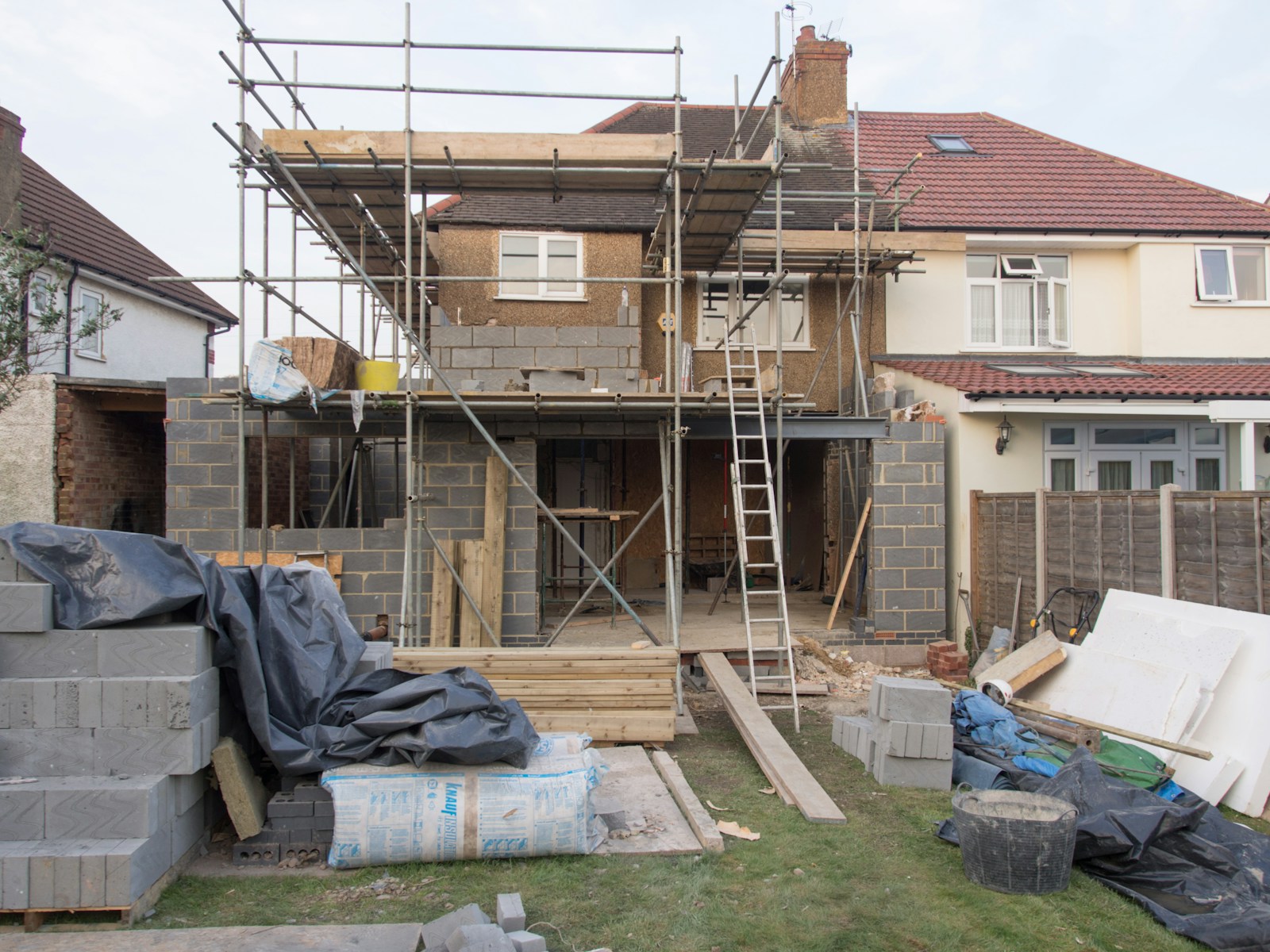
Off-plan means you are buying a property that has not been built yet, directly from the developer. You sign a Sale and Purchase Agreement (SPA), pay in instalments tied to construction milestones, and take handover once the building is complete and registered.
The UAE regulates this heavily. Developers must deposit buyer funds into an escrow account registered with the Dubai Land Department, under Law No. 8 of 2007 and Law No. 13 of 2008. Funds are only released to the developer as verified construction milestones are reached. In Dubai, the project must also be registered with RERA before any sales can happen. These protections exist precisely because off-plan buyers are putting money into something that does not yet exist.
The typical payment structure is front-loaded with a small booking fee. A common Dubai pattern is 5 to 10 percent at booking, then the rest spread across construction milestones, with a final chunk at handover. Some developers offer post-handover plans where you pay a portion after you have the keys. This flexibility is a big part of the appeal, but it is also where buyers can overextend.
The Real Advantages of Off-Plan
Lower Entry Price
Developers price off-plan units below comparable ready property to incentivise early buyers. That gap, often 5 to 15 percent, is your upside on day one if the market holds. In a rising market like Dubai has seen in recent years, early off-plan buyers have captured significant appreciation by handover.
Flexible Payment Plans
No mortgage required at purchase, no large lump sum, no immediate interest payments. You pay in slices as the building rises. For an investor or a buyer without a big cash pile ready, this is the single biggest draw. A AED 1,500,000 off-plan apartment with a 60/40 construction-to-handover plan means you only need AED 900,000 across two or three years before you take the keys.
New, Modern Product
You get the latest floor plans, newer finishes, and modern amenities. No negotiation with a reluctant seller, no renovation budget, no surprises about what the previous owner did to the plumbing. You also get a developer warranty on structural defects under Dubai’s regulations, which is protection a resale unit does not carry.
Developer Incentives
Developers compete for off-plan buyers with genuine sweeteners: waived service charges for the first year or two, reduced DLD registration fees, free or discounted furniture packages, and in some cases a guaranteed rental return for a fixed period. These are real savings if you read the fine print and confirm they are written into the SPA.
The Real Risks of Off-Plan
Delivery Risk
The developer might not finish on time, or at all. Dubai’s escrow laws protect your money, but they cannot protect your time. A project delayed by 18 months means your capital is locked up and not earning while the market moves without you. Check the developer’s delivery record before you buy. Developers like Emaar and Nakheel have long track records of on-time handover; smaller or newer developers carry more uncertainty. The DLD and RERA publish project status updates, and a quick search on the developer’s completed projects tells you a lot.
Market Timing Risk
You are betting on what the market will look like at handover, two or three years out. If prices soften, your unit is worth less than you paid, and there is no ready unit to sell into a soft market. Dubai has cycled through this before. The 2008 to 2010 correction is the cautionary tale everyone references, and while the market today is far more regulated, the cyclical risk has not disappeared.
Quality and Spec Mismatch
What you see in the brochure is a render. The finished unit can differ from what you imagined, in finishes, in view, in the quality of common areas. Your SPA specifies the finishes, but the gap between “specification” and “reality” is a well-worn source of dispute. Buy from a developer with a reputation for matching what they promise, and visit their completed projects if you can.
Financing Uncertainty
Here is a point many buyers miss: you cannot get a mortgage on an off-plan unit until it is near handover. If you plan to finance a chunk of the price, you are betting that your financial circumstances, and the bank’s lending appetite, will hold up two or three years from now. A buyer who loses a job or takes on debt between booking and handover can find themselves unable to close. If you plan to mortgage, do not assume today’s approval will still be there at handover.
Handover Cost Surprises
At handover you pay more than the final instalment. There is the Oqood registration fee (4 percent of the unit price in Dubai, payable at SPA signing), service charges start immediately, and you may owe connection and move-in fees. Buyers who stretched their budget to afford the payment plan can find handover itself a squeeze. Budget for it.
How to Protect Yourself
Off-plan is not inherently risky. Bought well, it is one of the best ways to build wealth in Dubai property. The discipline is in the due diligence:
- Verify the project is registered with RERA and that the developer has an escrow account with the DLD. Both are public record.
- Check the developer’s delivery history. Completed projects, on-time record, and any history of disputes. The DLD publishes developer ratings.
- Read the SPA in full before paying anything. Confirm the payment plan, the handover date, the penalty for delay, the finishes, and the cancellation terms. Get a lawyer to review it if the amount is significant.
- Confirm the post-handover costs. Ask for the estimated service charge per square foot and factor it into your yield calculation.
- Do not overextend on the payment plan. The flexibility is the appeal, but the instalments are still real money. Model the full cost against your income before you book.
Off-plan rewards buyers who do the work. The payment plans and early pricing are genuinely attractive, and Dubai’s regulatory framework is genuinely strong. But the delivery risk, the market timing risk, and the financing uncertainty are all real, and none of them show up in the brochure.
Understand your financing before you commit. Run the numbers through the Baytwise mortgage calculator, and know exactly what you will owe at every milestone from booking to handover. Off-plan is a good tool in the right hands. Make sure yours are steady before you pick it up.

About the Author
Aasim Pathan
A passionate entrepreneur and tech enthusiast with a keen interest in building innovative digital solutions. He is the founder of Aspyre Labs LLC, a Dubai-based SaaS company focused on empowering freelancers, solopreneurs, and small businesses with simple yet powerful tools. With a forward-thinking mindset, he constantly explores opportunities to create products that solve real-world problems while maintaining efficiency and simplicity.
Visit Website