

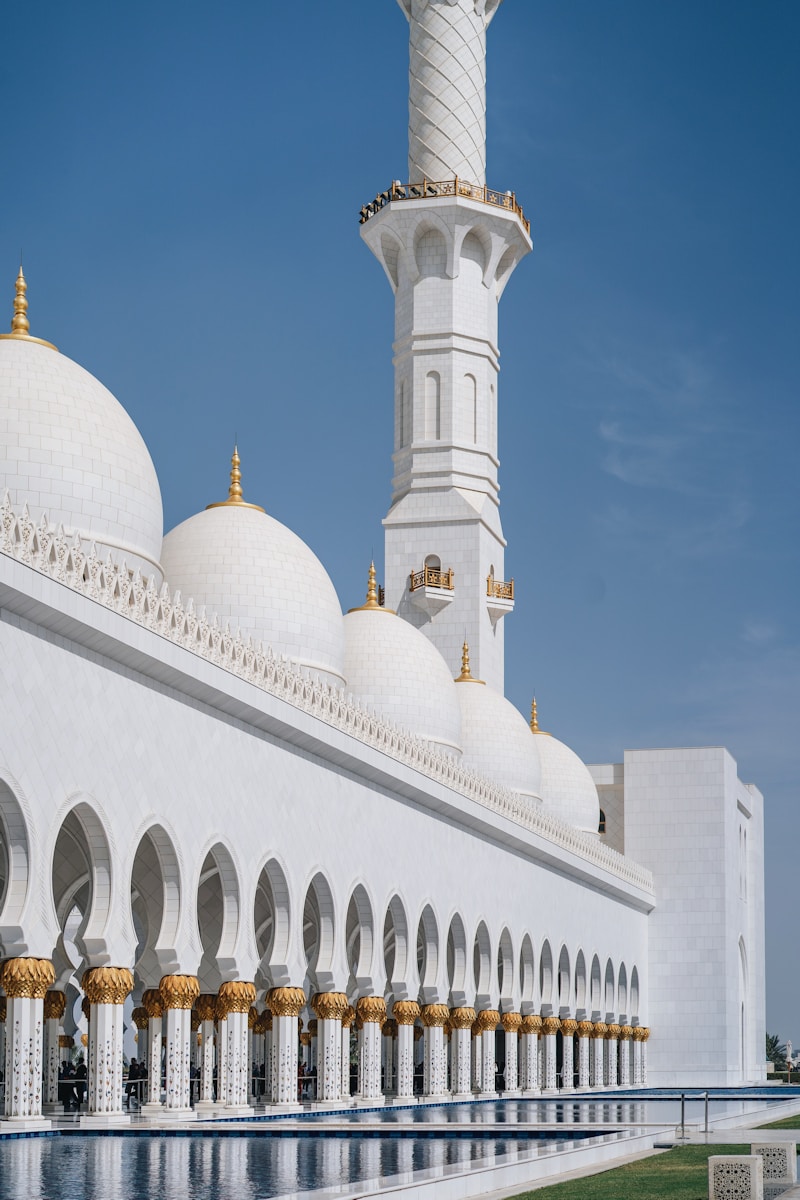
Islamic Mortgages in the UAE: How They Work and Are They Right for You?
Islamic Mortgages in the UAE: How They Work and Whether They Fit Your Plan
Islamic home financing in the UAE is not a niche product anymore. Several major UAE banks now do more home financing through their Islamic windows than through conventional mortgage desks. If you are Muslim and concerned about riba (interest), or if you are simply evaluating all options as a cost-conscious buyer, understanding how Islamic mortgages work is worth your time.
I am Aasim Pathan. I have helped buyers compare conventional and Islamic financing for years, and the conversation almost always starts with the same misconception: that Islamic mortgages are somehow a “technicality” that mirrors conventional loans with different labels. That is not accurate. The structure is genuinely different, and the differences affect your costs, your rights, and your obligations.
What Makes a Mortgage “Islamic”
Islamic finance operates on principles derived from Sharia law. The key rules that shape Islamic home financing:
- No riba (interest): Lending money in exchange for interest is prohibited. The financing must be structured as a trade, lease, or partnership — not a loan with interest.
- Asset backing: Every transaction must be tied to a tangible asset (the property itself). Pure money lending is not permitted.
- Risk sharing: The bank and the customer share in both profit and risk. The bank cannot structure a deal where it earns a fixed return regardless of what happens to the property or the customer.
- No gharar (excessive uncertainty): Contract terms must be clear and complete. Hidden fees, vague clauses, and speculative elements are prohibited.
- Ethical screens: The property and transaction cannot involve haram activities — alcohol production, gambling, conventional banks, pork, and so on.
The UAE has a dedicated Sharia governance framework. Islamic banks operating in the UAE are regulated by the Central Bank under the Higher Sharia Authority, which was established in 2016 to standardize Islamic finance practices across the country. Every Islamic bank also has its own internal Sharia board that reviews products and transactions.
The Three Common Structures
Islamic home financing in the UAE typically uses one of three contract types:
1. Murabaha (Cost-Plus Sale)
The bank buys the property outright from the seller, then sells it to you at a disclosed markup, paid in installments over an agreed term. The markup is fixed and disclosed upfront — it does not fluctuate with market rates. This is the most common structure for completed properties.
Example: You find a property listed at AED 1,500,000. The bank purchases it, then sells it to you for AED 2,100,000 paid over 25 years in monthly installments. That AED 600,000 difference is the bank’s profit — it is fixed at the start and does not change. If you settle early, many banks offer a rebate on the outstanding profit portion (Ibra), though the terms vary by bank and contract.
2. Ijara (Lease-to-Own)
The bank buys the property and leases it to you. Your monthly payment is rent, not repayment of a loan. Part of the rent goes toward eventually purchasing the property. At the end of the lease term, title transfers to you — usually for a nominal payment. Ijara is common for both ready and under-construction properties.
In an Ijara arrangement, you typically pay for property insurance and major maintenance, while the bank (as owner) pays for structural insurance. The specifics depend on the contract, so read it carefully — especially the maintenance obligations.
3. Musharaka (Partnership) with Diminishing Ownership
You and the bank jointly purchase the property as partners. Over time, you buy out the bank’s share through monthly payments that include both rent for the bank’s remaining share and a purchase amount that gradually increases your ownership percentage. This is the closest Islamic equivalent to a conventional reducing-balance mortgage and is growing in popularity because it mirrors the payment structure many buyers are familiar with.
Cost Comparison: Islamic vs Conventional
This is what most buyers actually care about: which one costs more?
The short answer: in the UAE market, Islamic home financing is typically priced competitively with conventional mortgages. The bank’s profit rate in a Murabaha or Ijara structure usually tracks close to the prevailing conventional mortgage rate. Sometimes it is slightly higher (0.1-0.3% above conventional), sometimes it is level. The difference comes down to upfront costs and fees:
- Higher upfront fees: Islamic transactions often involve two property transfers (seller to bank, bank to you), which in theory attracts double DLD transfer fees. In practice, the DLD typically charges a single transfer fee for Murabaha transactions involving Islamic banks, but you must confirm this before proceeding — it varies by bank and property type.
- Early settlement: Murabaha contracts with an Ibra (rebate) clause can make early settlement cheaper than breaking a conventional fixed-rate mortgage, which typically charges 1-2% of the outstanding balance. But Ibra terms vary — some banks offer full rebate of unearned profit, others discount it partially.
- No late payment interest: Late payment charges in Islamic contracts are typically structured as a fixed fee or a charitable donation, not compounding interest. The Higher Sharia Authority has issued guidelines limiting late payment charges to actual administrative costs.
Use the Baytwise mortgage calculator to compare monthly payments under both conventional and Islamic scenarios — plug in the profit rate your Islamic bank quotes as the “interest rate” and the numbers will line up close enough to compare.
Who Should Consider Islamic Financing
The obvious answer: observant Muslims for whom avoiding riba is a religious obligation. That is the primary audience, and it is a significant one in the UAE.
But Islamic financing can also appeal to buyers who want fixed, transparent pricing. A Murabaha contract locks in the bank’s profit upfront — no variable-rate surprises. If you value payment predictability and are uncomfortable with floating EIBOR-linked rates, a Murabaha structure gives you that certainty by design.
On the other hand, if EIBOR drops significantly after you sign a Murabaha, you will not benefit — the profit rate is fixed. Some Islamic banks now offer variable-rate Ijara structures linked to EIBOR, so you can get the Sharia-compliant structure with rate flexibility. Ask your bank what options they offer.
Banks Offering Islamic Mortgages in the UAE
The major players include Dubai Islamic Bank (the UAE’s largest Islamic bank), Abu Dhabi Islamic Bank (ADIB), Emirates Islamic, Sharjah Islamic Bank, and the Islamic windows of conventional banks like Mashreq Al Islami and RAKBANK Islamic. Most conventional banks in the UAE now have an Islamic arm — the market has grown too large for them to ignore.
Per the Central Bank of the UAE’s Financial Stability Report, Islamic banking assets in the UAE crossed AED 700 billion in 2024, representing roughly 23% of total banking sector assets. Islamic home financing is a mainstream product, not a fringe option.
One final tip: compare offers from at least two Islamic banks and one conventional bank before deciding. The gap between Islamic and conventional pricing is narrow enough that you should choose based on the structure and your values, not just the rate — but you cannot make that call without actual quotes in hand.

About the Author
Aasim Pathan
A passionate entrepreneur and tech enthusiast with a keen interest in building innovative digital solutions. He is the founder of Aspyre Labs LLC, a Dubai-based SaaS company focused on empowering freelancers, solopreneurs, and small businesses with simple yet powerful tools. With a forward-thinking mindset, he constantly explores opportunities to create products that solve real-world problems while maintaining efficiency and simplicity.
Visit Website