
Dubai Expo Legacy: How It Still Impacts Real Estate in 2025
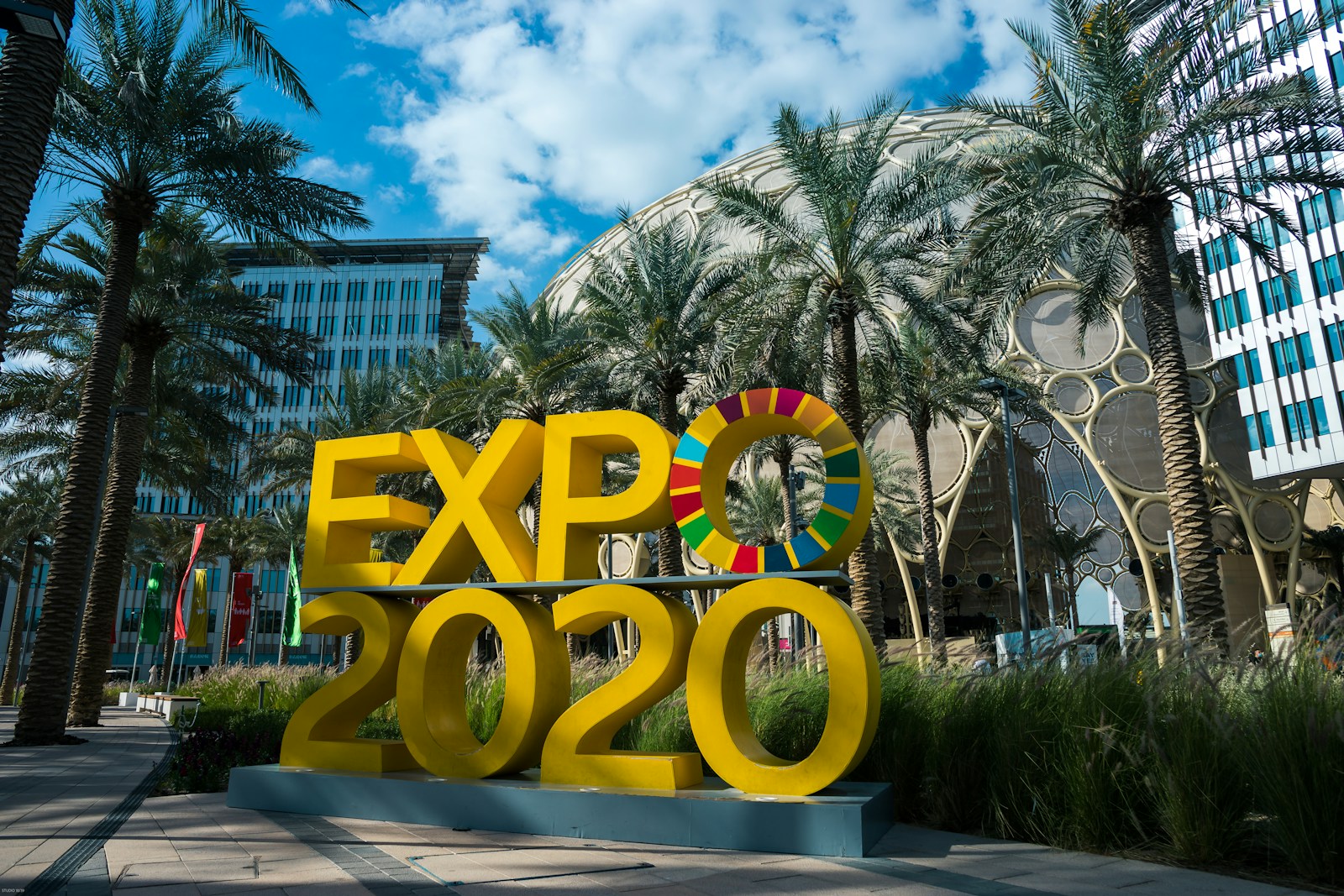
Dubai threw a six month party for the world in 2021 and 2022, then turned the venue into a city. Most global events leave behind stadiums that rust. Expo 2020 Dubai left behind District 2020, a metro line, and a pricing map that still shapes where people buy in 2025. If you are looking at Dubai property today, you are looking at the Expo effect whether you know it or not.
Roughly 24 million visits over six months put pressure on every system Dubai had: roads, rail, hotels, housing. The city built for that pressure, and the buildout never stopped. The result is a real estate market where the southwestern corridor, once a patch of sand near the airport, now trades like established real estate.
District 2020: from pavilions to payroll
The Expo site did not get demolished. Most of it was kept and rebranded as Expo City Dubai, with the business core called District 2020. Instead of flags and mascots, it now holds offices. Siemens Energy runs its regional base from there, and DP World has moved operations into the district. These are not retail popups, they are payroll, and payroll is what anchors a neighbourhood.
That matters for property because jobs follow employers, and housing follows jobs. Every company that relocated a regional headquarters into District 2020 brought staff who need places to live within a reasonable commute. That demand did not exist before 2022, and it is still building.
Infrastructure that changed the commute
The single most valuable thing Expo built was the Route 2020 metro extension, 15 kilometres of new line running from Jabal Ali to Expo City. It is easy to undervalue a train line until you watch what it does to prices around every station on the route.
Roads got the same treatment. Upgrades to Sheikh Mohamed bin Zayed Road and the surrounding interchanges cut travel times to the Expo corridor and made communities like Dubai South and Al Furjan reachable without a long slog. Infrastructure is the one thing a developer cannot fake, and it compounds. Once the rail and road are in, every later project rides on them for free.
I have watched this corridor go from a place buyers avoided to a place buyers get priced out of. Transit did that, not marketing.
Residential: the Expo belt repriced
This is where the numbers get interesting. The Dubai Land Department recorded over 180,000 transactions worth roughly AED 522 billion in 2024, and the Expo-adjacent belt has consistently run ahead of the city average on price growth.
Communities within a few kilometres of the site, Dubai South, Expo Valley, Jumeirah Golf Estates, Al Furjan, have outperformed. Dubai South rental yields have sat above the Dubai average for the past two years, and Expo Valley, the residential project launched inside the site itself, sold through its early villa phases quickly. CBRE reported Dubai residential prices up around 20 percent in 2024, and the Expo corridor was part of what dragged that number upward.
The buyers are a mix. You have District 2020 staff who want a short commute, Golden Visa investors parking capital in a market with no annual property tax, and families chasing newer, more energy efficient stock. The supply near the site is still young, which means most of what trades is either off-plan or recently handed over.
Commercial: office space where there was none
Before Expo, the area around the site had almost no Grade A office market. Now District 2020 is leasing converted pavilions and new build offices at a premium to older business districts. Flexible and co-working operators took over the former pavilions, and occupancy has run high from day one.
For investors, the commercial story is simpler than the residential one. There is less of it, and what exists is anchored by tenants who signed long leases rather than month to month deals. That scarcity keeps pricing firm even while new office supply is being delivered across the rest of the city.
Tourism left a mark here too. Expo built hotels and attractions that stayed open, and the short term rental market in Expo-adjacent areas like Dubai Investments Park has grown sharply since 2022. A chunk of that is investors buying units to run as furnished rentals near the site and its events.
Investment patterns: what changed and what stayed
Expo proved Dubai can deliver a mega project on schedule, which is worth more to foreign capital than any marketing campaign. That confidence shows up in off-plan sales and foreign direct investment, both of which have climbed since 2022.
The Golden Visa and a stable AED peg to the dollar, managed by the UAE Central Bank, keep Dubai’s risk profile boring in the way investors like. Off-plan around Expo-linked communities keeps drawing a steady share of buyers, often because payment plans let people enter at a lower upfront cost than ready stock.
Sustainability is part of the pitch now, not a footnote. The green building standards Expo pushed have filtered into new launches, and buyers treat energy efficient, lower running cost units as a premium feature rather than a nice to have.
What I watch next is District 2020’s expansion and the RTA’s plans to extend Route 2020 further toward the airport and aerotropolis zone. Every time a phase is announced, prices in the communities around it tick up before a single crane moves. That is the Expo effect in action: the market now prices announcements the way it used to price finished buildings.
What to do with the Expo effect
If you are buying near the Expo corridor, run your numbers before you fall in love with the story. Start with what the loan actually costs. Use our mortgage calculator to see monthly payments against your budget, and check the DLD fees calculator before you assume the closing costs are trivial. DLD registration fees alone are 4 percent of the purchase price, and that is before broker fees and mortgage charges.
Then decide what you are actually buying. Ready units near the metro line hold value and rent well. Off-plan in Expo Valley and Dubai South can offer a lower entry price but ties your capital up until handover. Match the asset to your timeline, not to the brochure.
The legacy is now just the market
Expo 2020 is over, and its legacy stopped being a story about the event a while ago. District 2020 is a functioning business district, the metro line is daily commute infrastructure, and the southwestern corridor is priced as a real destination. That is the honest measure of whether a mega project worked: nobody talks about the party anymore, they just live and work where it was.
Dubai is still building on that foundation, and the people buying near it are not betting on nostalgia. They are betting on jobs, transit, and supply, the three things that have always set property prices. Expo just built all three at once, and in 2025 the market is still catching up.

About the Author
Aasim Pathan
A passionate entrepreneur and tech enthusiast with a keen interest in building innovative digital solutions. He is the founder of Aspyre Labs LLC, a Dubai-based SaaS company focused on empowering freelancers, solopreneurs, and small businesses with simple yet powerful tools. With a forward-thinking mindset, he constantly explores opportunities to create products that solve real-world problems while maintaining efficiency and simplicity.
Visit Website