

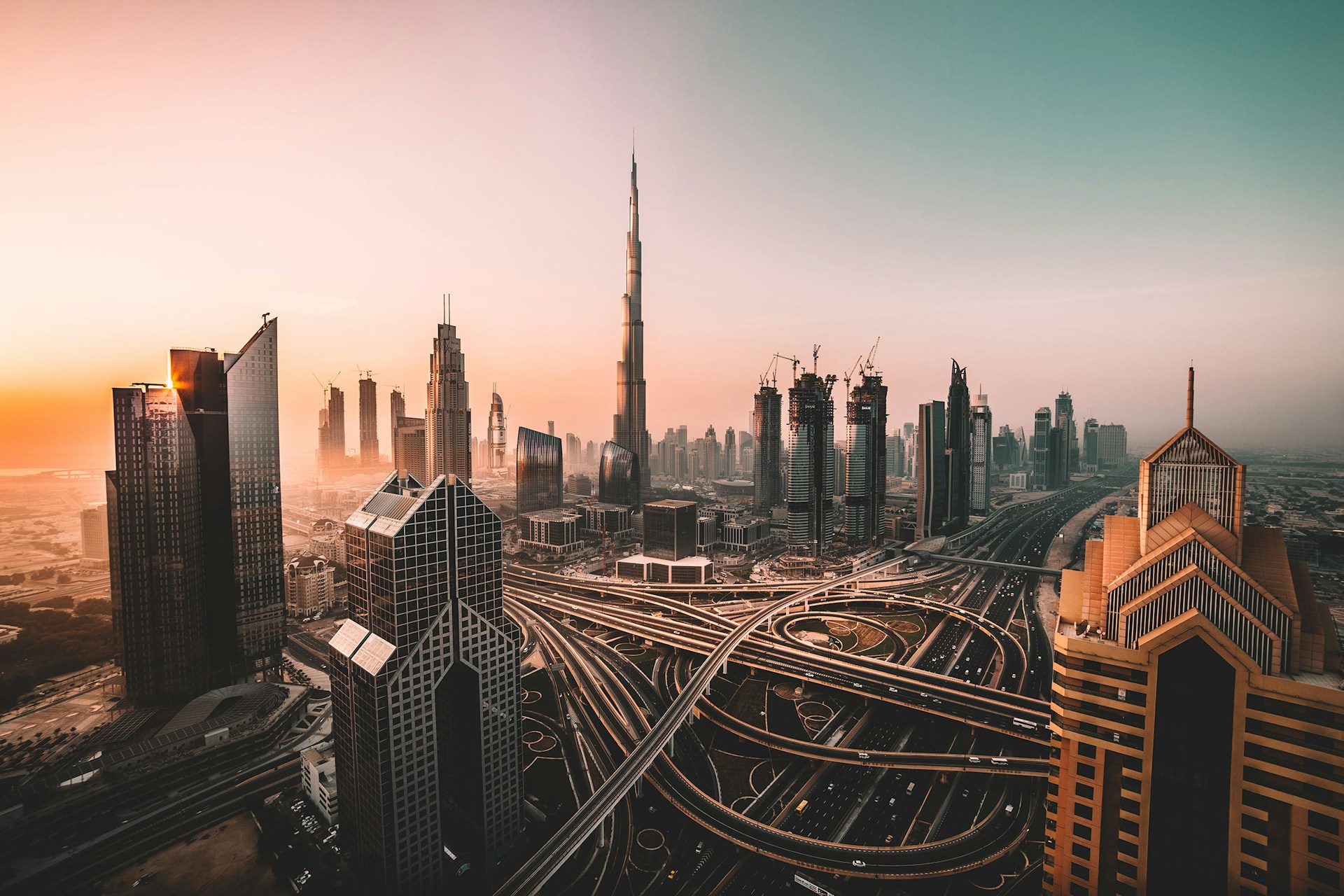
Complete Guide to Property Investment in Dubai for 2025
Complete Guide to Property Investment in Dubai for 2025
Dubai real estate is the most liquid, most transparent property market in the region, and one of the few places on earth where you can buy freehold as a foreigner and rent it out the same month. That is the honest pitch. The less honest pitch is the one that promises “guaranteed 10% returns” without mentioning service charges, DLD fees, or the developer’s margin baked into the price. This guide is the honest version: how the market actually works in 2025, where the real returns come from, and how to avoid the mistakes that cost first-time investors money.
Why Dubai, and Why Now
The structural case for Dubai property has three legs, and all three are still standing in 2025:
- No tax on property income. The UAE levies no personal income tax and no capital gains tax on property. Rental yield and sale profit are yours. This is not a minor perk, it is the single biggest factor in the net-return math versus cities like London or Hong Kong.
- Freehold ownership for foreigners. In designated freehold areas you own the property outright, with a title deed registered at the Dubai Land Department (DLD). That legal certainty is what underwrites the entire foreign-investment market.
- Regulation that has actually matured. RERA and the DLD publish transaction data, enforce escrow accounts on off-plan projects, and maintain a rental index. The market has real oversight now, which is a big part of why the boom has been more durable than the 2008 cycle.
Where the Returns Actually Come From
There are two distinct return streams, and confusing them is the most common investor error.
Rental yield. The cash flow. Across Dubai, gross yields have historically run in the 5 to 8 percent range, with well-located apartments often at the top of that band and luxury villas at the bottom. Gross yield is before service charges, which can eat 5 to 15 percent of your rent depending on the building. Always calculate net yield after service charges, maintenance, and any management fees. A “7% yield” can be a 4.5% net yield in a high-service-charge tower.
Capital appreciation. The price growth. This is where Dubai has delivered exceptional returns in recent years, but it is also the part you cannot rely on. Price growth is driven by demand, and demand in Dubai tracks population growth, infrastructure delivery, and global capital flows into the emirate. It is a bonus, not a plan. The investors who got hurt in past cycles were the ones who priced appreciation in as a certainty and ignored the yield.
Key Demand Drivers in 2025
Dubai’s population has grown consistently for years, and the government’s targets keep expanding. Several durable forces are pushing demand:
- Residency reform. The Golden Visa and long-term residency options keep high-net-worth and professional talent anchored in the city. Property investment of AED 2 million or more is itself a route to a 10-year visa.
- Airport and logistics expansion. The growth of Al Maktoum International and the surrounding Dubai South corridor is pulling jobs and housing demand south of the city.
- The 2040 Urban Master Plan. The emirate’s planning framework commits to concentrated growth corridors, which is useful for investors because it tells you where infrastructure is actually going rather than where a brochure says it might go.
For the current official transaction and price data, the Dubai Land Department publishes market statistics that are worth checking before you commit to any “hot area” recommendation you read online.
Where to Look by Investor Type
There is no single best area. The right area depends on what you are trying to achieve.
- Cash-flow buyers: Established apartment communities with proven rental demand. Think areas with high tenant turnover and strong occupancy, where you can verify actual rents against the RERA rental index rather than guessing. Service charges matter more here than anywhere else.
- Appreciation buyers: Growth corridors with committed infrastructure, such as Dubai South and the Expo City corridor. Higher risk, longer horizon, but the upside is concentrated where the airport and metro expansion is going.
- Family and end-user buyers: Master-planned communities with schools, parks, and retail. These tend to hold value through cycles because they are bought by people who actually live in them, not by speculators.
Financing the Purchase
Most foreign buyers in Dubai use a mortgage, and the rules are specific. The UAE Central Bank caps loan-to-value (LTV) for expatriates, and the exact limits depend on the property value and whether it is a first home. The key numbers to know:
- First property: Expats can typically finance up to 75 percent of the value on properties under AED 5 million, dropping to 65 percent above that threshold.
- Down payment: Plan for at least 25 percent plus the DLD registration fee, which is 4 percent of the purchase price, plus broker and mortgage fees. The all-in cash requirement is closer to 30 percent than the 25 percent the headline suggests.
- Rates: Mortgage rates track the Emirates Interbank Offered Rate (EIBOR). In recent years rates have cycled with global policy, so lock in the current numbers rather than relying on a rate quoted a year ago.
Before you commit, model the actual monthly cost at current rates. The Baytwise mortgage calculator gives you the payment and total interest for any purchase price, deposit, and rate combination, which is the fastest way to reality-check what a “good deal” actually costs you per month.
The Costs People Forget
The purchase price is never the purchase price. Budget for these before you sign:
- DLD registration fee: 4 percent of the property value, the single largest one-time cost.
- Broker commission: Typically 2 percent, payable on top of the price.
- Mortgage fees: Valuation, processing, and arrangement fees that can run to several thousand dirhams.
- Service charges: Ongoing, per square foot, and they compound. Read the service charge index before buying a specific building.
- Early settlement: If you pay off the mortgage early, UAE banks can charge an early settlement fee, usually capped around 1 percent of the outstanding balance, so factor it into any refinance plan.
A Due Diligence Checklist
- Verify the developer or seller is registered with DLD and RERA.
- Check the title deed and any mortgage on the property before transferring money.
- Pull the actual service charges and recent rental comps for the specific building, not the area average.
- Model net yield after all costs, and model the mortgage at current rates.
- Confirm your financing eligibility and LTV before signing a purchase agreement.
- If off-plan, verify the escrow account and the developer’s delivery track record.
My Take
Dubai property in 2025 is a genuine opportunity, but it rewards the boring discipline of checking the numbers. The people who do well buy in areas with real infrastructure, model net yield after service charges, and treat appreciation as upside rather than a given. The people who get burned buy the “guaranteed return” pitch and skip the fine print. Do the work, start with a realistic payment model, and the market will do the rest. Run your numbers against a loan comparison before you commit, and confirm the latest fees and rules against the DLD’s official channels.

About the Author
Aasim Pathan
A passionate entrepreneur and tech enthusiast with a keen interest in building innovative digital solutions. He is the founder of Aspyre Labs LLC, a Dubai-based SaaS company focused on empowering freelancers, solopreneurs, and small businesses with simple yet powerful tools. With a forward-thinking mindset, he constantly explores opportunities to create products that solve real-world problems while maintaining efficiency and simplicity.
Visit Website